

The Directorate of Student Affairs (DoSA) of the Kwame Nkrumah University of Science and Technology, Kumasi (KNUST), together with the Students' Representative Council (SRC) in collaboration with the Embassy of Japan in Ghana, has hosted a special lecture on Japanese manga to understand its value as an educational and cultural tool.
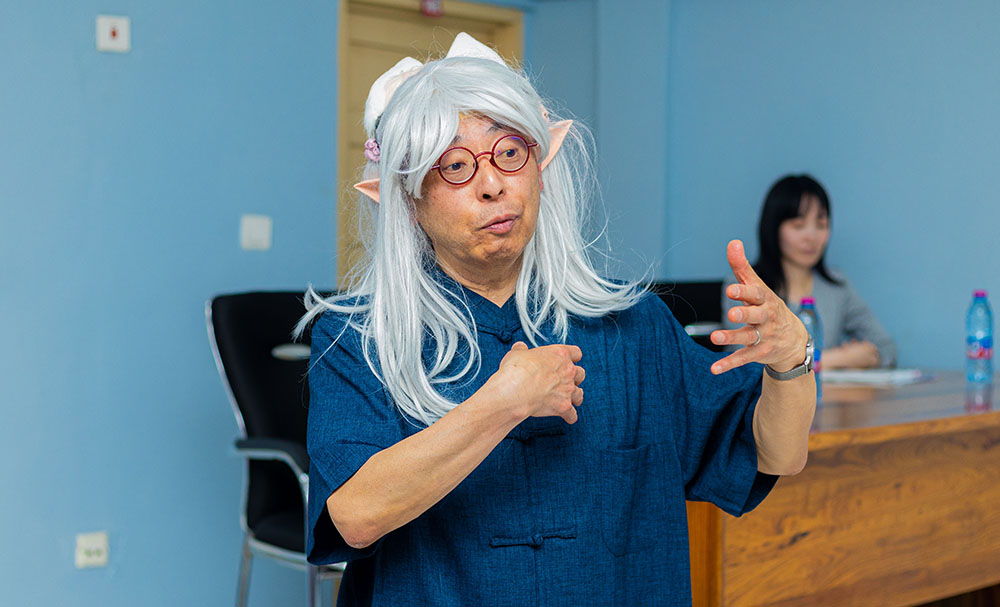
Held at the DoSA Conference Hall, the event featured a presentation by Professor Takahiro Morio of the University of Tsukuba, who spoke on the theme “Learning from Manga, Learning with Manga, Learning About Manga.”

The Director of DoSA, Professor Marian Asantewah Nkansah, recounted how the initiative was introduced through engagement with the Japanese Embassy. She described the lecture topic as “intriguing” and reaffirmed the Directorate’s commitment to supporting programmes that enrich the academic environment and builds potential partnerships.
Professor Nkansah also commended the SRC leadership for their role in organising the event and expressed appreciation to students for their participation. ‘‘It is my hope that the knowledge sharing and interaction will be impactful and expand beyond the confines of this room and years to come,’’ she said.
Delivering remarks on behalf of the Japanese Ambassador, Ms. Kumi Himeno, a representative from Japan’s Ministry of Foreign Affairs, said that beyond entertainment, manga serves as a powerful medium for deepening understanding of Japanese culture and has become an important tool in Japan’s public diplomacy efforts.
She highlighted the global appeal of manga, citing the widely acclaimed Demon Slayer: Kimetsu no Yaiba as an example of how storytelling transcends borders. According to her, the journey of its protagonist reflects universal values such as empathy and resilience, demonstrating how manga can inspire audiences worldwide.
“Manga is no longer just a Japanese creation that has spread beyond Japan; it is a bridge that also allows KNUST students to share a moment of inspiration with us. By understanding manga, you can understand the heart of modern Japan,’’ she added.
Professor Morio, in his lecture, challenged the perception of manga as merely a form of entertainment for children. He emphasised its role as a versatile medium capable of addressing complex subjects, describing it as a “textbook for life and culture.” He explained that manga has been effectively used to communicate ideas in areas such as history, science, sports, and sociology.
He traced its historical roots to traditional Japanese illustrated literature and highlighted its evolution through influential figures such as Osamu Tezuka. He also explored the global growth of Japanese creative industries and the unique ecosystem that supports them, driven by collaboration between creators, publishers, and fan communities.
The SRC President Shakir Is-Haq Waiz, expressed appreciation to the Directorate for its support and indicated students’ interest in future engagements that promote deeper understanding of manga and other global cultures.
| Story: Abigail Ofori | Photos: Emmanuel Danquah |


